Lifestyle Moves in 2026: When Real Estate Is About More Than a House
January 30, 2026
January 30, 2026

January has a way of slowing things down just enough to make space for clarity. The inbox is quieter. The calendar has breathing room. And for many people, that’s when the real conversations begin — the ones that sound less like “What can we afford?” and more like “How do we actually want to live?”
In 2026, many real estate decisions on the Central Coast aren’t being driven by urgency or speculation. They’re being driven by intention.
This is the year of the lifestyle move.
A lifestyle move starts by identifying what no longer fits — not just in a house, but in a routine.
Before looking at listings, it helps to step back and ask:
Which spaces in our current home go unused?
What parts of our day feel rushed, inconvenient, or disconnected?
Are we maintaining a home that no longer supports how we live?
A lifestyle move isn’t about finding something perfect. It’s about removing friction. When those pressure points are clear, the right property type, location, and timing tend to reveal themselves more easily.
In 2026, buyers and sellers are approaching real estate with longer time horizons. Instead of asking, “Is now the best time?” many are asking, “Will this decision still make sense five years from now?”
That shift changes how people evaluate:
Location versus convenience
Floor plans versus future flexibility
Land use, zoning, and long-term options
Planning matters more than speed this year — and thoughtful decisions tend to hold their value over time.
Downsizing today often means editing, not sacrificing. Buyers are prioritizing:
Fewer rooms with better flow
Primary suites on the main level
Outdoor space that’s usable rather than ornamental
The goal is lower maintenance without lowering standards.
Some buyers are choosing quieter surroundings. Others want to be closer to town life. The difference in 2026 is that the decision is intentional.
Helpful questions to consider:
Where do we actually spend our weekends?
Do we want room to retreat, or proximity to restaurants and community events?
Are we driving to our lifestyle — or living inside it?
Clarifying this early helps prevent regret later.
More clients are thinking beyond the next move and considering how a property might support future phases of life.
That often includes:
Space for visiting family or aging parents
Homes that allow for flexibility as needs change
Properties that offer optionality over time
Even if those plans are years away, choosing a home that leaves room for change creates peace of mind.
Rather than chasing trends, buyers are paying closer attention to how a home will feel over time.
That usually means focusing on:
Natural light and orientation
Privacy from neighbors or busy roads
Materials and layouts that age well
Outdoor space that offers separation and calm
These qualities don’t always photograph loudly, but they tend to matter more the longer you live in a home.
For some, a lifestyle move in 2026 isn’t the final destination — it’s the first intentional step toward a larger goal, such as owning a luxury residence or wine estate.
Instead of waiting indefinitely, many buyers are asking a more practical question: Can we build toward that kind of property over time?
In many cases, the answer is yes — with the right structure and expectations.
This often means starting with a property that offers flexibility or value-add potential, allowing equity to grow through thoughtful improvements, long-term holds, or future opportunities such as accessory dwellings or lot splits where appropriate. Over time, that equity can be repositioned toward a higher-value purchase.
For some buyers, this path can take around five years. For others, seven to ten years is more realistic — especially when the end goal is a vineyard or legacy property. The timeline depends less on market timing and more on how intentionally each step is chosen.
When the next move is part of a larger plan, it stops feeling like a compromise and starts feeling like progress.
Lifestyle-driven decisions don’t need to align perfectly with market cycles. What matters more is whether the move supports how you want to live — both now and in the future.
Sometimes the right choice is to move forward.
Sometimes it’s to gather information and wait.
Both are strategic when they’re intentional.
For buyers:
Clarity is more valuable than urgency. Defining your non-negotiables early saves time, stress, and second-guessing.
For sellers:
You don’t need your next chapter fully mapped out to take the first step. Selling can create flexibility rather than pressure when it’s done with a plan.
The most successful transitions usually begin with education, not action.
If you’re considering a move driven by quality of life — whether that’s simplifying, expanding, relocating, or building toward something bigger — a conversation can help clarify what’s realistic and what’s worth waiting for.
No pressure. No timelines unless you want them. Just thoughtful planning around real goals.
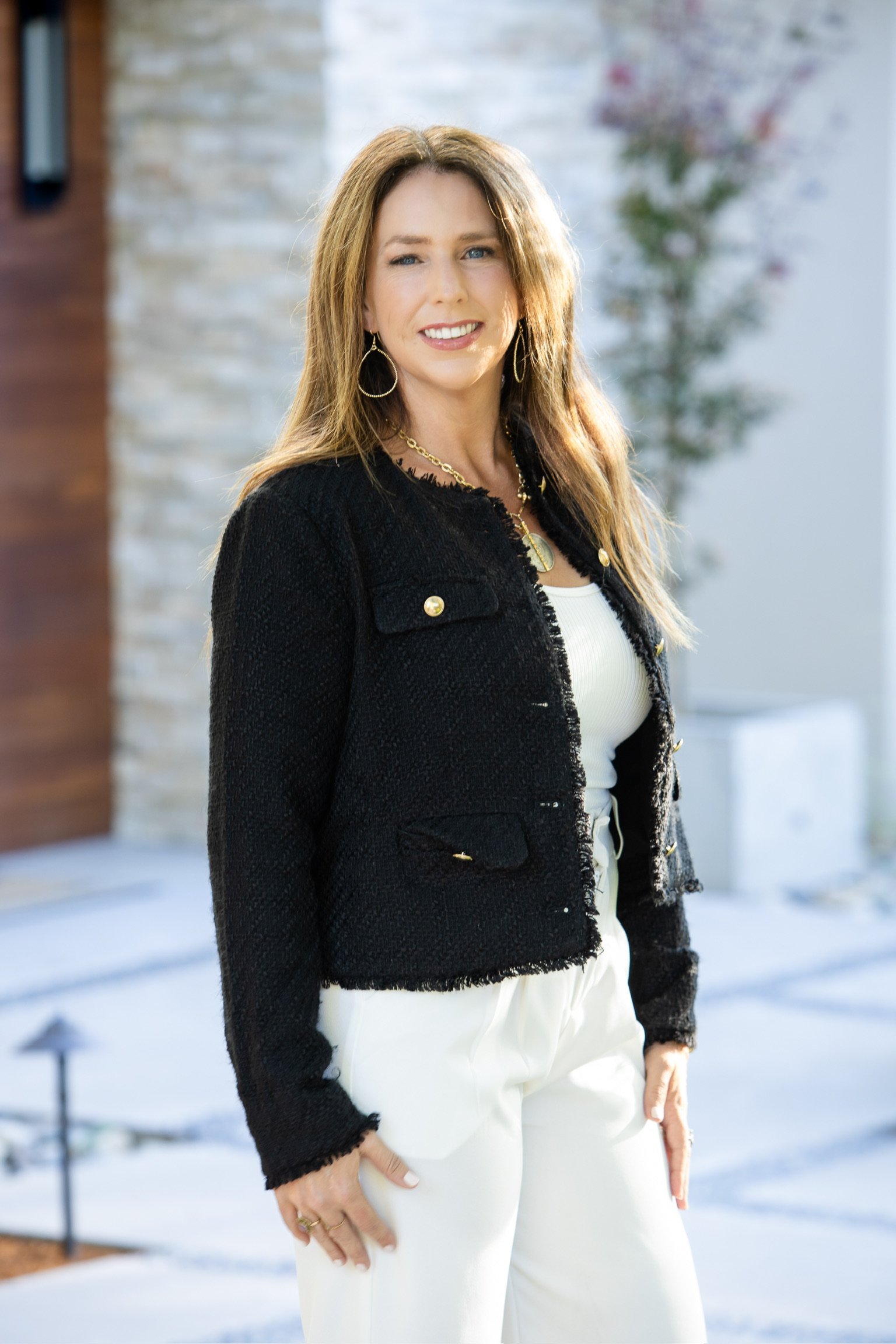
Dianna Vonderheide
Real Estate Advisor
DRE #01475327
Reply anytime — I’m here to help.
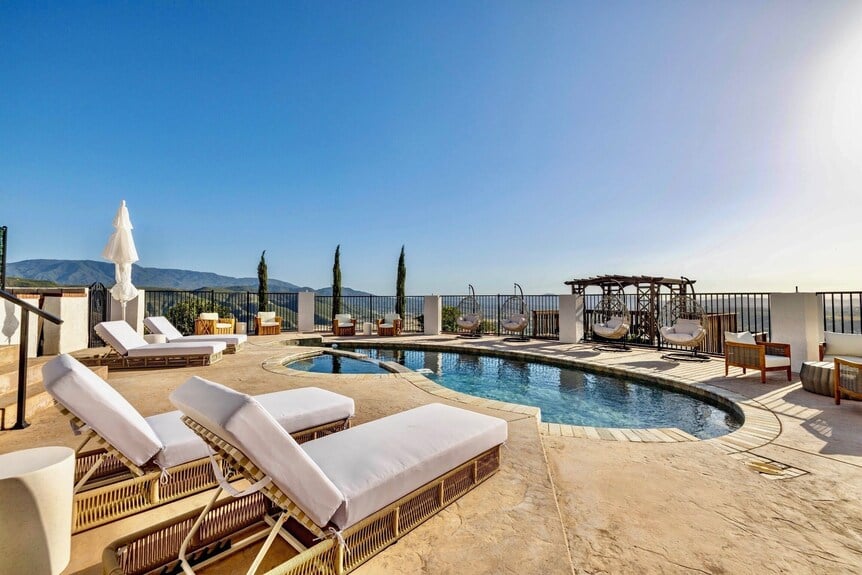
Before You Spend the Money, Call Me
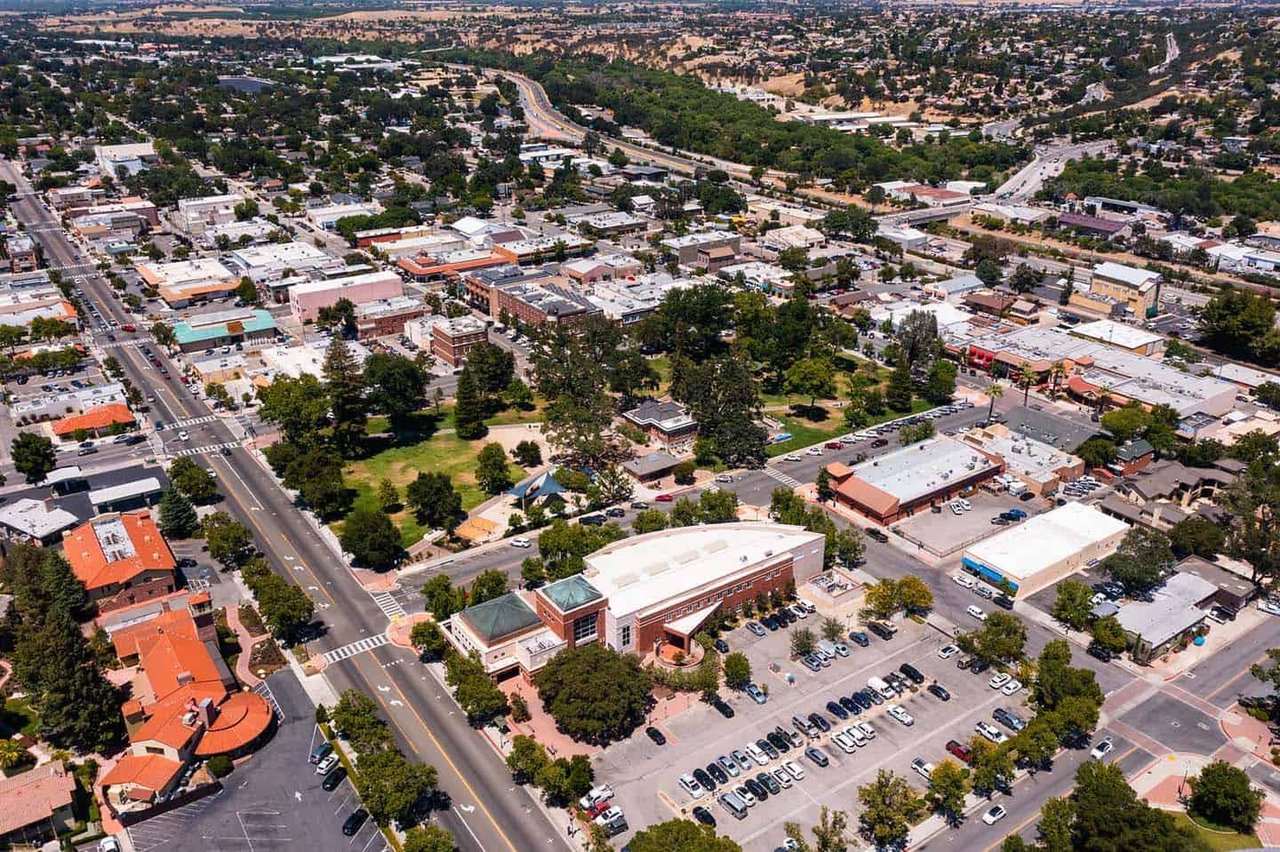
The properties I'd look twice at, the numbers I'd question, and what I'd want to know before buying one
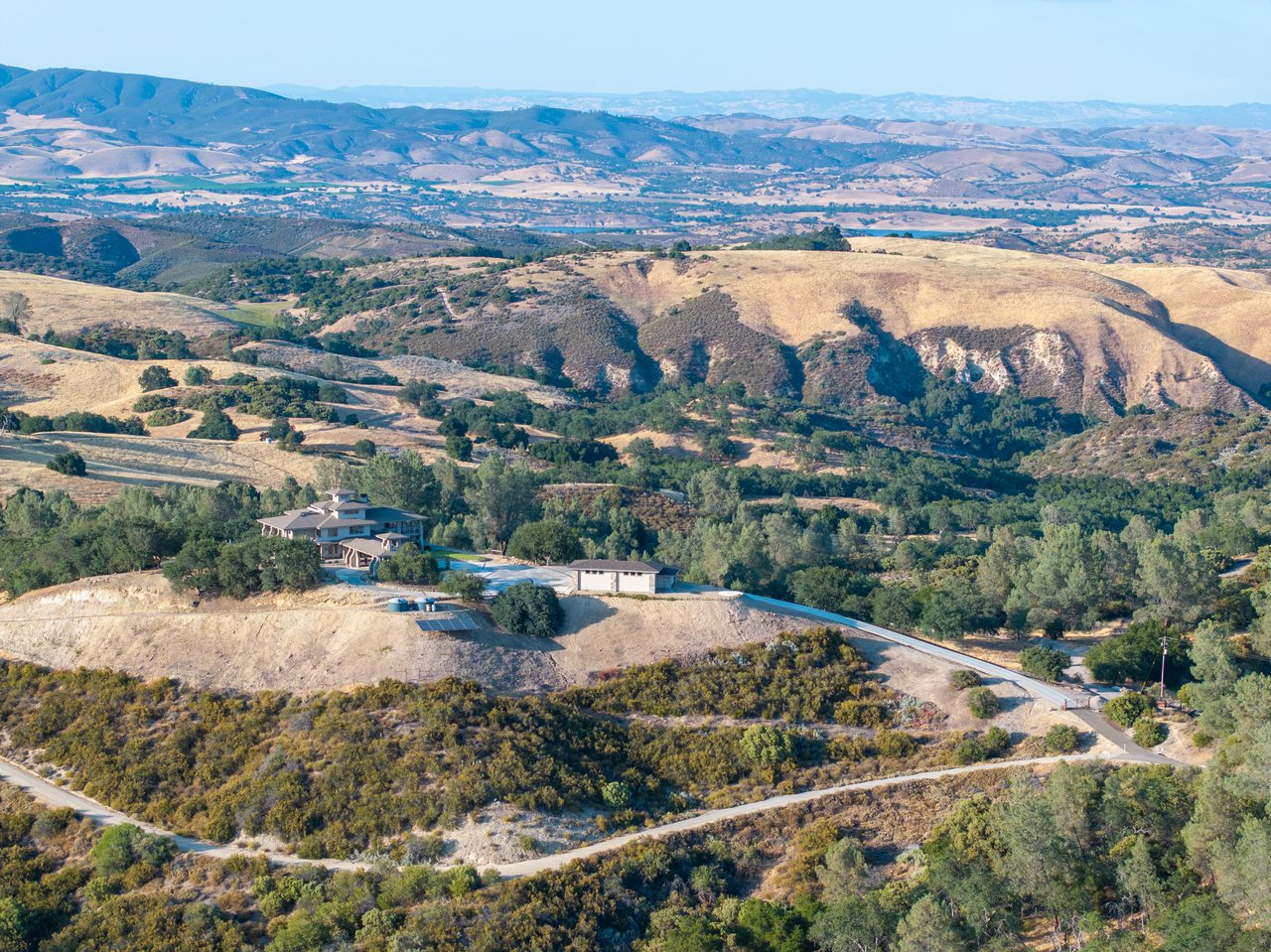
Understanding the Details That Shape Value in Paso Robles Wine Country
A 2026–2031 Housing Market Forecast for San Luis Obispo County, Paso Robles and Templeton


My Favorite “Luxury Central Coast Morning” Itinerary

Connect with Dianna Vonderheide Advantage for a real estate experience that goes beyond the ordinary. Whether you're interested in exclusive listings, exploring your home's value, or diving into our personalized services, let's connect to make your real estate aspirations a reality.