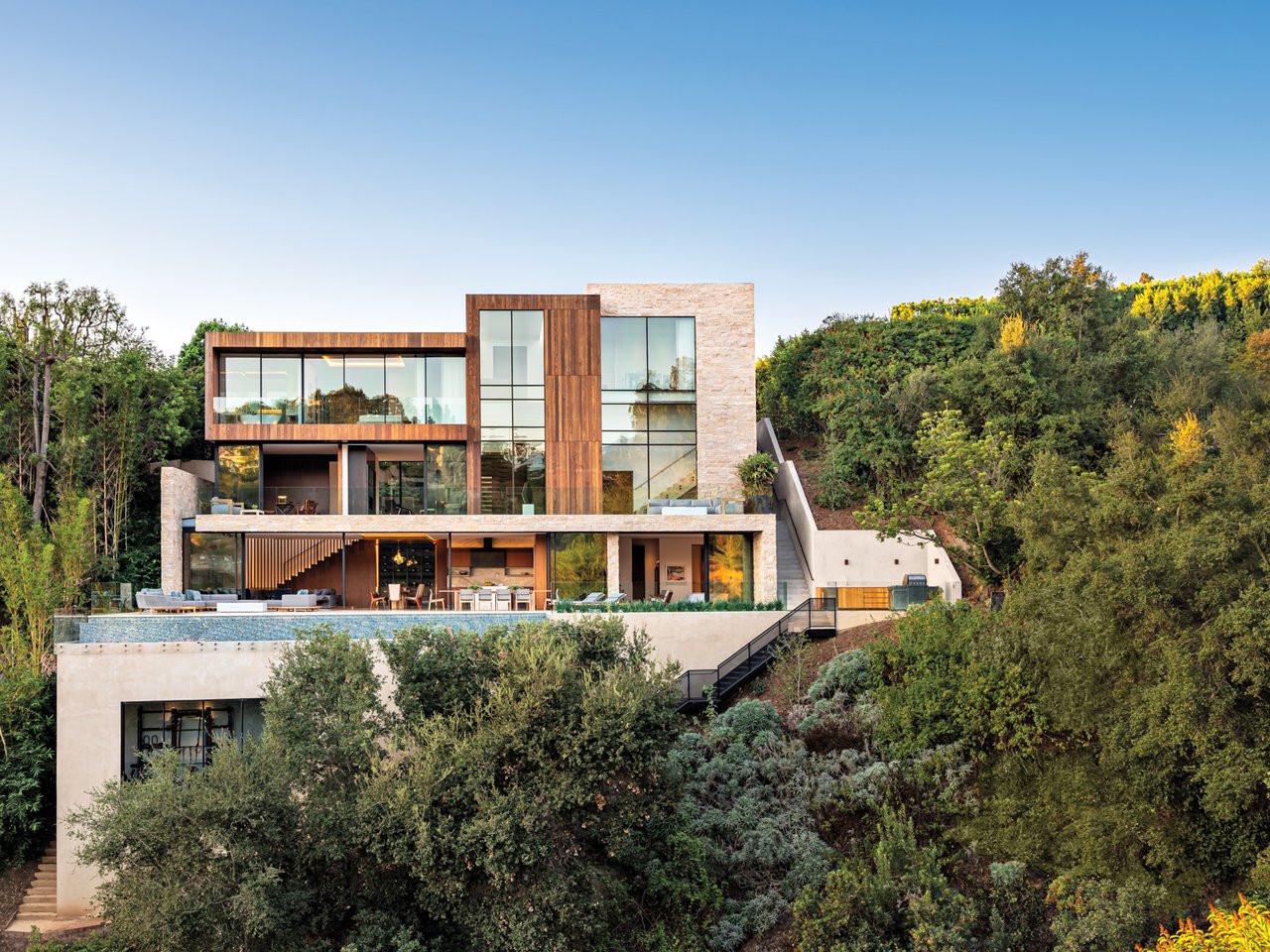
The Strategic Investor’s Edge
February 26, 2026
February 26, 2026

San Luis Obispo and Santa Barbara Counties are globally recognized for vineyard estates, Mediterranean architecture, and sweeping Pacific views. But beyond lifestyle appeal lies something more powerful for sophisticated investors:
• Scarce developable land
• Coastal and agricultural growth boundaries
• Long-term appreciation resilience
• Strong rental demand
• Evolving zoning flexibility
When SB-9 lot split legislation, cost segregation tax strategy, and 1031 exchange planning are layered together, they create a refined capital framework uniquely suited to the Central Coast.
This is not transactional real estate.
It is structured wealth architecture.
In communities such as Templeton, Paso Robles, San Luis Obispo, Arroyo Grande, Goleta, and Santa Barbara, land value frequently outweighs structural value.
California’s SB-9 legislation allows qualifying owners to:
• Split a single-family parcel into two legal lots
• Build up to two residences per parcel
• Potentially create four units where one once stood
In constrained coastal markets, this is transformative. Instead of acquiring additional acreage at premium pricing, investors increase productivity of land already under control.
On the Central Coast, density equals leverage.
Residential rental property typically depreciates over 27.5 years.
Cost segregation refines that schedule by identifying components eligible for shorter recovery periods:
• Electrical systems
• Plumbing infrastructure
• Appliances
• Flooring
• Cabinetry
• Site work and landscaping
For SB-9 projects involving new construction, ADUs, grading, and infrastructure upgrades, this can significantly increase early-year depreciation.
In high-income coastal markets, tax efficiency is performance.
Five to seven years into ownership, a properly structured SB-9 property may have:
• Increased density
• Increased rental income
• Accelerated depreciation benefits
• Appreciated substantially
Upon sale, investors typically face capital gains tax, California state tax, and depreciation recapture.
A properly executed 1031 exchange allows:
• Deferral of capital gains
• Deferral of depreciation recapture
• Full equity redeployment into replacement property
The objective is continuity of capital — not liquidation.
A disciplined Central Coast investor may structure the cycle as follows:
Acquire underutilized property in a high land-value submarket.
Densify using SB-9 where feasible.
Optimize through cost segregation analysis.
Stabilize rental income and performance.
Exchange into a larger or more strategic asset through 1031.
Repeat.
Land is finite.
Zoning flexibility is evolving.
Tax strategy rewards those who plan intentionally.
SB-9 increases physical capacity.
Cost segregation enhances early financial performance.
1031 exchanges preserve equity momentum.
For investors seeking to reposition an existing Central Coast property, evaluate SB-9 feasibility, model long-term exchange strategy, or structure a vineyard, luxury, or infill acquisition with layered efficiency, a strategic advisory conversation is where that process begins.
Dianna Vonderheide
Executive Broker, Luxury Division
Vineyard Professional Real Estate
DRE #01475327
[email protected]
805-234-0640
Strategic Real Estate Advisory
Vineyard & Estate Investment
Central Coast Capital Positioning
Before You Spend the Money, Call Me
The properties I'd look twice at, the numbers I'd question, and what I'd want to know before buying one
Understanding the Details That Shape Value in Paso Robles Wine Country

A 2026–2031 Housing Market Forecast for San Luis Obispo County, Paso Robles and Templeton

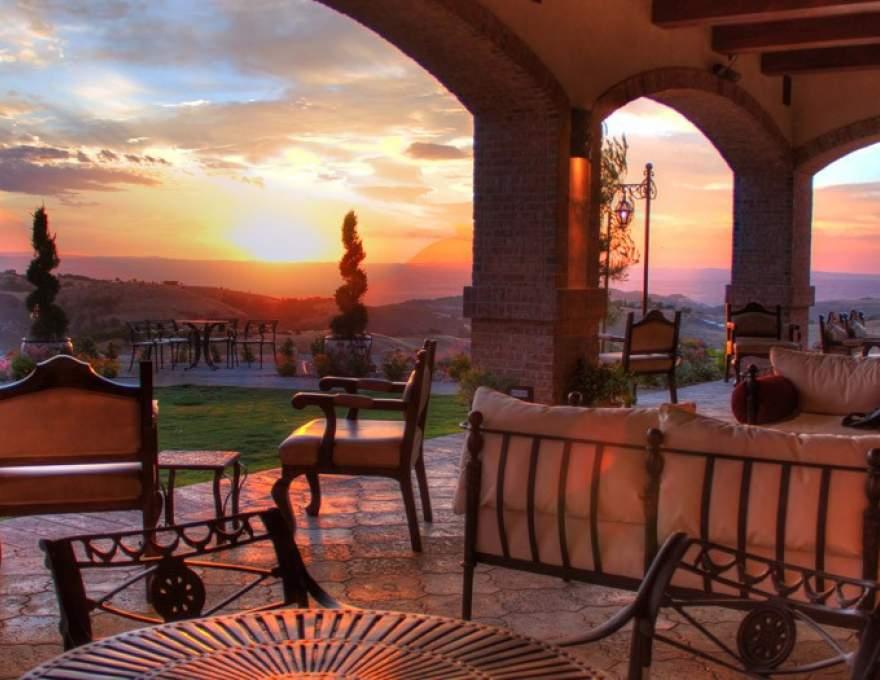

My Favorite “Luxury Central Coast Morning” Itinerary
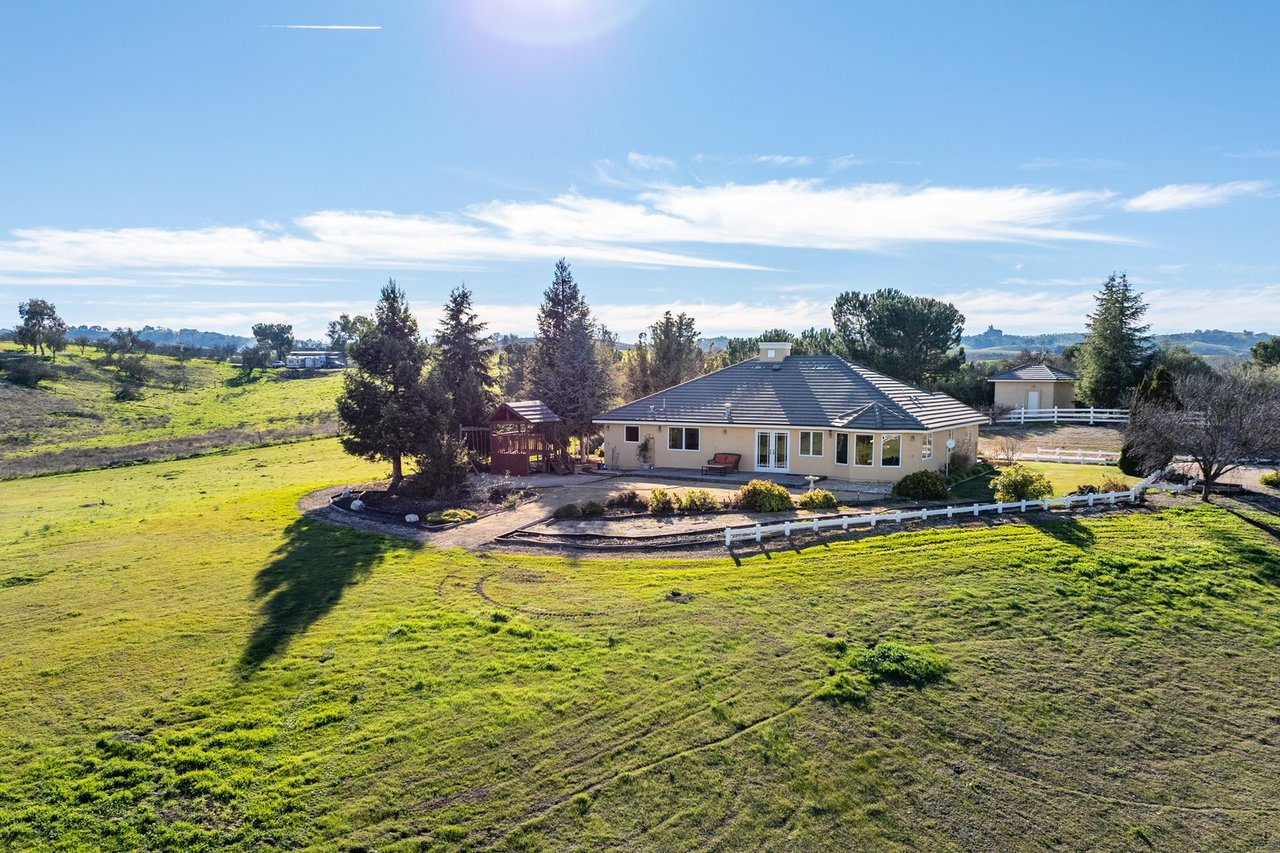

Connect with Dianna Vonderheide Advantage for a real estate experience that goes beyond the ordinary. Whether you're interested in exclusive listings, exploring your home's value, or diving into our personalized services, let's connect to make your real estate aspirations a reality.

